The Hidden Cost of Manual Meter Reading: Why Utilities and Property Managers Are Moving to AMR/AMI
Manual meter reading looks cheap until you count the repeat visits, estimated bills, disputes and worn mechanical meters. Here is the real cost breakdown — and what AMR/AMI changes for a project.
Manual reading has one obvious advantage: nobody has to buy new meters. The costs arrive later, spread across operations, billing and customer service — which is why they are easy to underestimate when a project is being budgeted.
The reading round itself. Every meter has to be visited, every cycle. Locked gates, flooded meter pits, absent tenants and hard-to-reach basements turn a share of those visits into repeat trips, and each failed visit still costs the trip. As labour costs rise, the per-reading cost of a large installed base rises with it — the meter fleet does not get cheaper to read as it grows.
Estimated bills and disputes. A meter that cannot be read gets estimated. Estimates drift from actual use, and the correction lands in a later bill — which is when the dispute arrives. For utilities and property managers, billing disputes consume service staff time and delay revenue, and tenants who have been estimated once tend to question every bill after.
Wear you cannot see. Mechanical meters measure with moving parts, and moving parts wear. A worn meter typically under-registers: water is delivered but not fully billed. Across thousands of meters, a few percent of under-registration is a permanent revenue leak — non-revenue water that no leak-detection crew will ever find, because the water is not leaking. It is being given away at the meter.
Data that arrives too late. A monthly or quarterly read is a snapshot. A leaking pipe, a stuck valve or tampering between visits can run for weeks before the consumption pattern shows it, and by then the loss — and the argument about who pays for it — is already large.
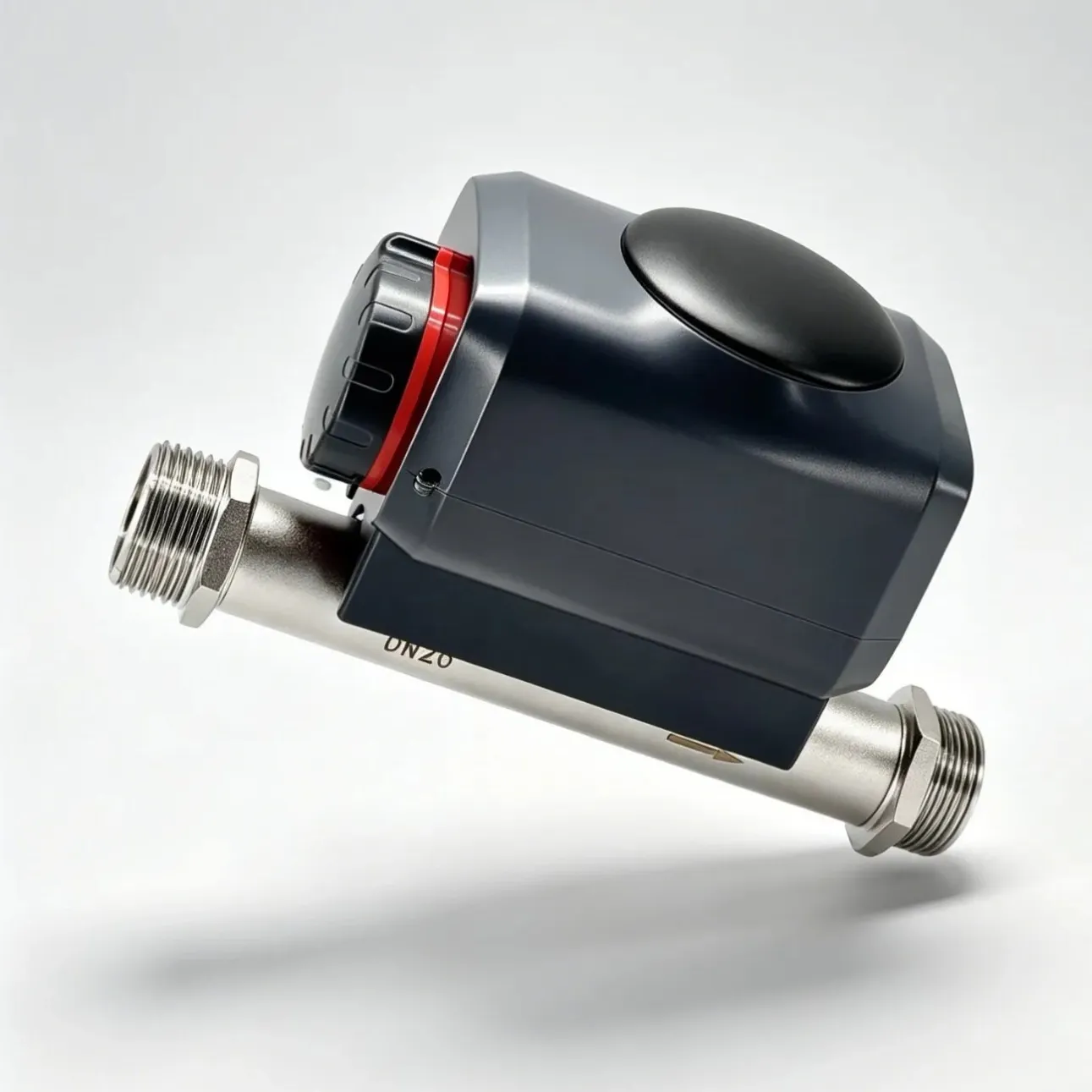
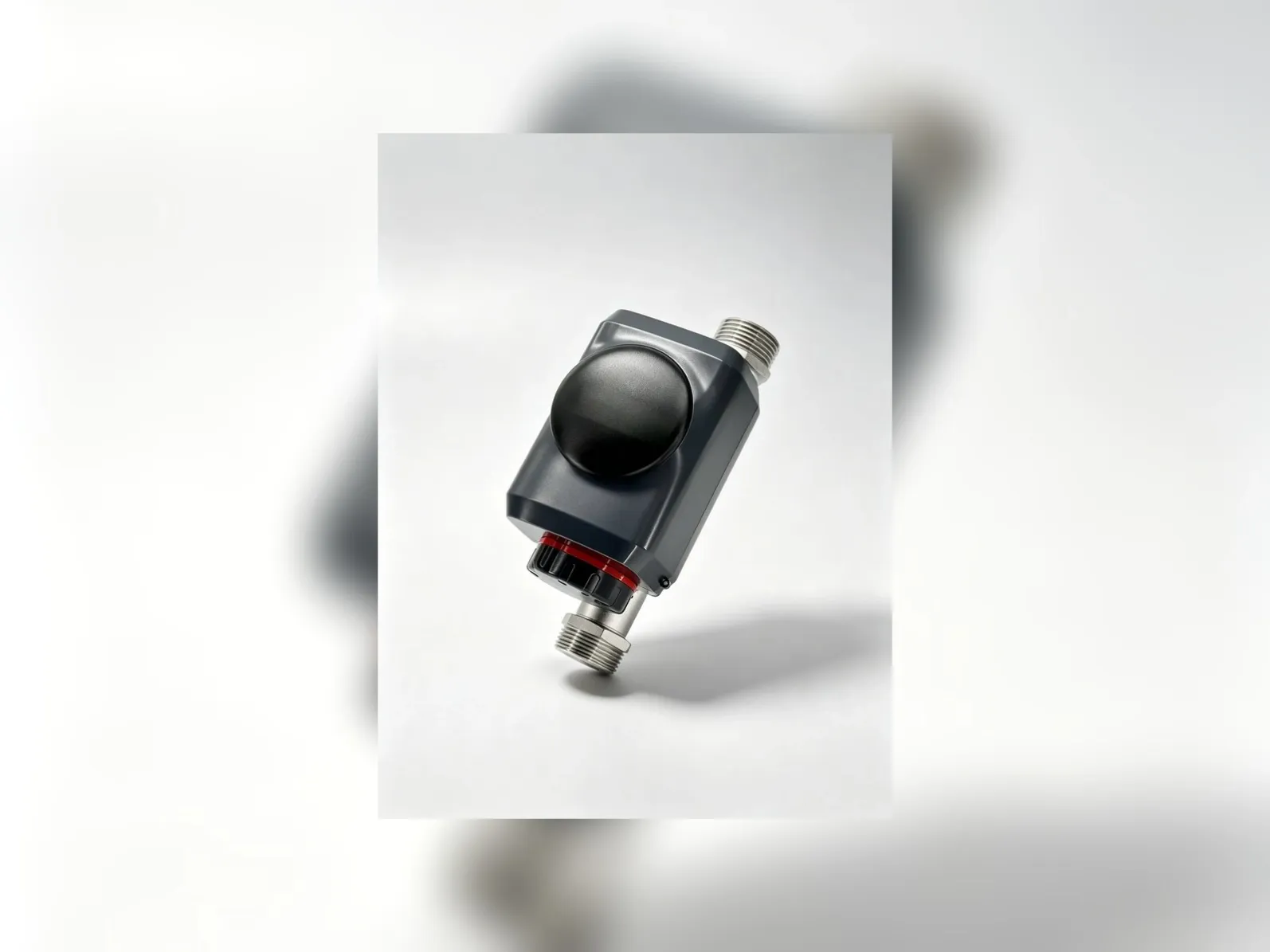
What changes with ultrasonic AMR/AMI metering. An ultrasonic meter has no moving parts in the measurement path, so its Class 2 accuracy (ISO 4064 / OIML R49) does not depend on components wearing down. Readings travel by LoRaWAN — with M-Bus, NB-IoT and RS485 options for different project infrastructures — so the reading round, the repeat visits and the estimates largely disappear. Consumption data arrives on schedule instead of on a route, which makes abnormal use visible while it is still small. The practical details matter at scale: an IP68 rating for pits and basements, a battery life of up to 10 years so the meter does not create a new maintenance round of its own, data retention of more than 10 years for audit and dispute history, and sizes from DN15 to DN100 covering residential through commercial connections.
Counting it honestly. The comparison that matters is not meter price versus meter price. It is the full cost per meter per year: reading labour and repeat visits, estimation and dispute handling, under-registration losses, and maintenance — against the meter, communications and platform cost of an AMR/AMI deployment. For most operators with a growing installed base, the manual column is the one that keeps rising.
If you are costing a rollout, start with a pilot on one district or building group and compare a full billing cycle. Samples of our ultrasonic smart water meter are available for evaluation — see the product page for full specifications, or read our selection guide for AMR/AMI projects for the specification checks behind this article.