Buying Guides
Do Ultrasonic Water Meters Pay for Themselves? A Payback Calculation for AMR/AMI Projects
Manual reading, drifting mechanical meters and leaks found months late all cost money every month. Here is a simple way to work out when an AMR/AMI upgrade pays for itself.
Every utility manager we talk to asks the same question, usually in the first five minutes: the meters look good, the data looks useful — but when does this thing pay for itself?
Fair question. An AMR/AMI project is real money up front, and "smart" is not a business case. So let's do the arithmetic the way you would do it on your own network. There are four places the money leaks out today. Add them up honestly, and the payback period usually stops being a guess.
1. The reading bill you already pay
Manual reading looks cheap because the cost is spread out: a reader's wages, a motorbike or a van, fuel, the supervisor who checks the route sheets, and the second visit for every gate that was locked the first time. Nobody budgets for the second visit, but every utility makes thousands of them.
Take your fully loaded cost per successful read — wages, transport, re-reads, data entry, all of it — and multiply by twelve. For most networks that number lands somewhere between $8 and $25 per meter per year. It is not a dramatic figure. It is just relentless, and it never goes down.
2. The water you gave away
Mechanical meters slow down as they wear. Bearings foul, gears drag, and a meter that was accurate at installation can be under-registering by 2–5% after eight or ten years in the ground. That water was treated, pumped and delivered. It just never appeared on a bill.
This is usually the biggest line in the calculation, and the easiest to underestimate, because nothing looks broken. The meter still turns. The customer still pays something. Run a sample test on your oldest meter stock before you argue about the percentage — most utilities are surprised by their own results.
An ultrasonic meter has no moving parts to wear, so its accuracy curve stays flat for years instead of sliding downhill from day one.
3. Leaks you find in months instead of days
Non-revenue water is not one problem; it is a hundred small ones found late. A leaking service line on a manual-reading route can run for a full billing cycle — sometimes two — before anyone notices the numbers look odd. With daily reads coming in automatically, the same leak shows up as abnormal night flow within days, and your crew fixes a small leak instead of a big one.
You do not need to eliminate NRW to make this line matter. Shaving one or two points off it, on a network of any size, is real money at production cost.
4. Estimates, disputes and re-billing
Estimated bills are quiet troublemakers. They generate complaints, adjustments, re-bills and the occasional customer who simply stops trusting the bill altogether. Actual daily consumption data ends most of those arguments before they start, and it gives your customer service team something better to say than “the reader couldn't access the meter.”
A worked example
These are illustrative numbers, not a quote — run them with your own figures.
Say you have 10,000 connections.
- Reading cost: $1.20 per meter per month, fully loaded → $144,000 a year, gone the day remote reading starts.
- Under-registration: your mechanical fleet averages 3% low, and the average bill is $35 a month → about $1.05 per meter per month → $126,000 a year in water delivered but never billed.
- Non-revenue water: faster leak detection trims losses worth a modest $40,000 a year at production cost.
Total recoverable: roughly $310,000 a year.
Now the project side. Meters, communications and installation at, say, $95 per point → $950,000. Divide one by the other and the payback lands at about three years. Against a battery life of up to ten years, that leaves roughly seven years where the system is running on money it already earned back.
Change any assumption and the answer moves — that is the point of doing it with your numbers instead of a brochure's.
What makes payback faster or slower
Faster: an old meter fleet (more under-registration to recover), expensive or difficult manual routes, high NRW, and a tariff that actually charges for the water you recover. Slower: a young fleet, cheap reading labour, and low water prices. Terrain and meter sizes matter too — a network of DN15–DN25 residential meters pays back differently from one full of large commercial connections.
One thing to insist on, whichever supplier you choose: get the battery life and the accuracy class in writing, with the standard they are tested to. A payback model built on a ten-year battery collapses if the batteries need swapping in year six.
The honest caveat
No supplier can hand you your payback period, because three of the four numbers above live in your records, not theirs. What a supplier can do is give you meters whose accuracy holds up (Class 2 to ISO 4064 is the benchmark to ask for), a battery that lasts the distance, and data your billing team can actually use. The rest is arithmetic — and arithmetic, unlike marketing, is happy to be checked.
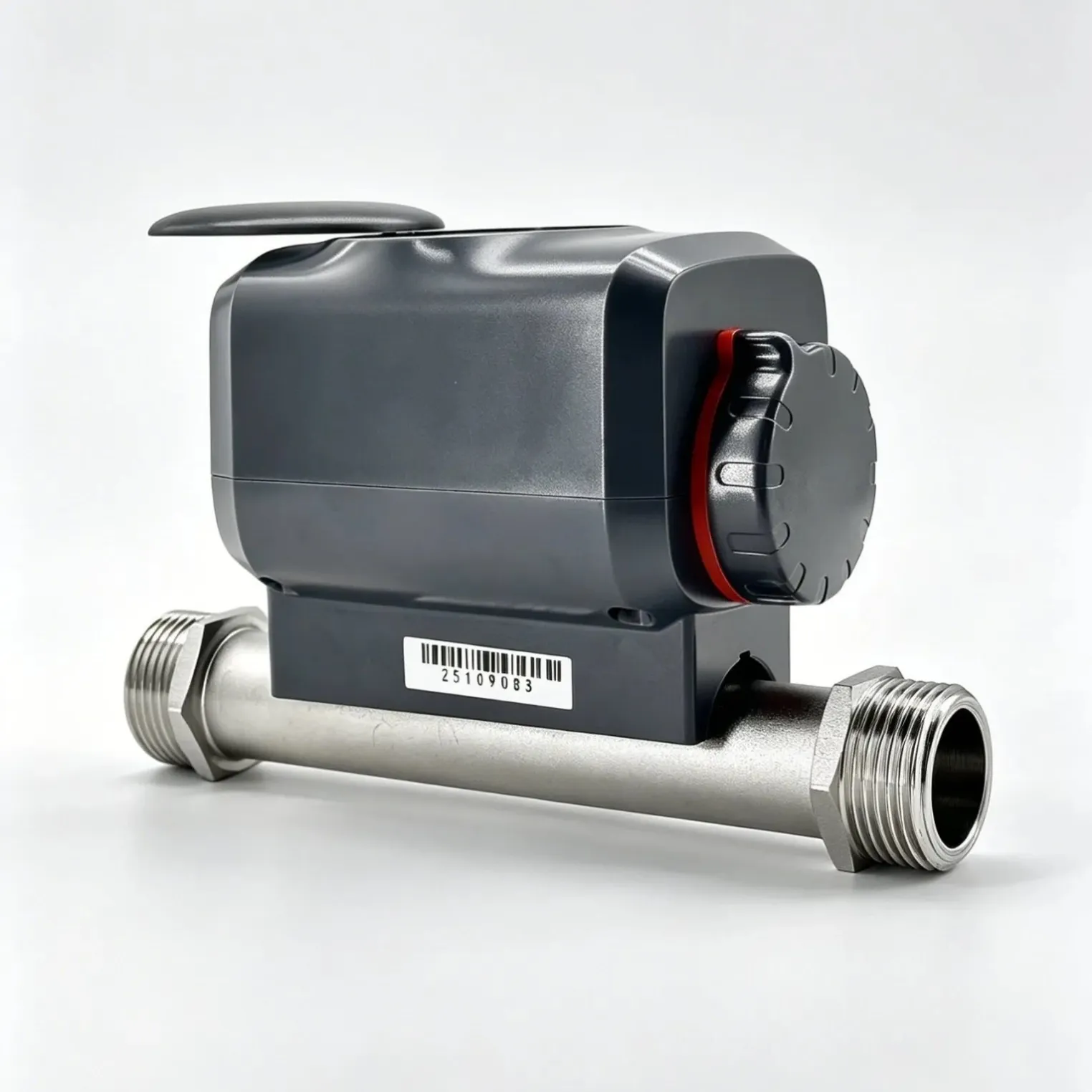
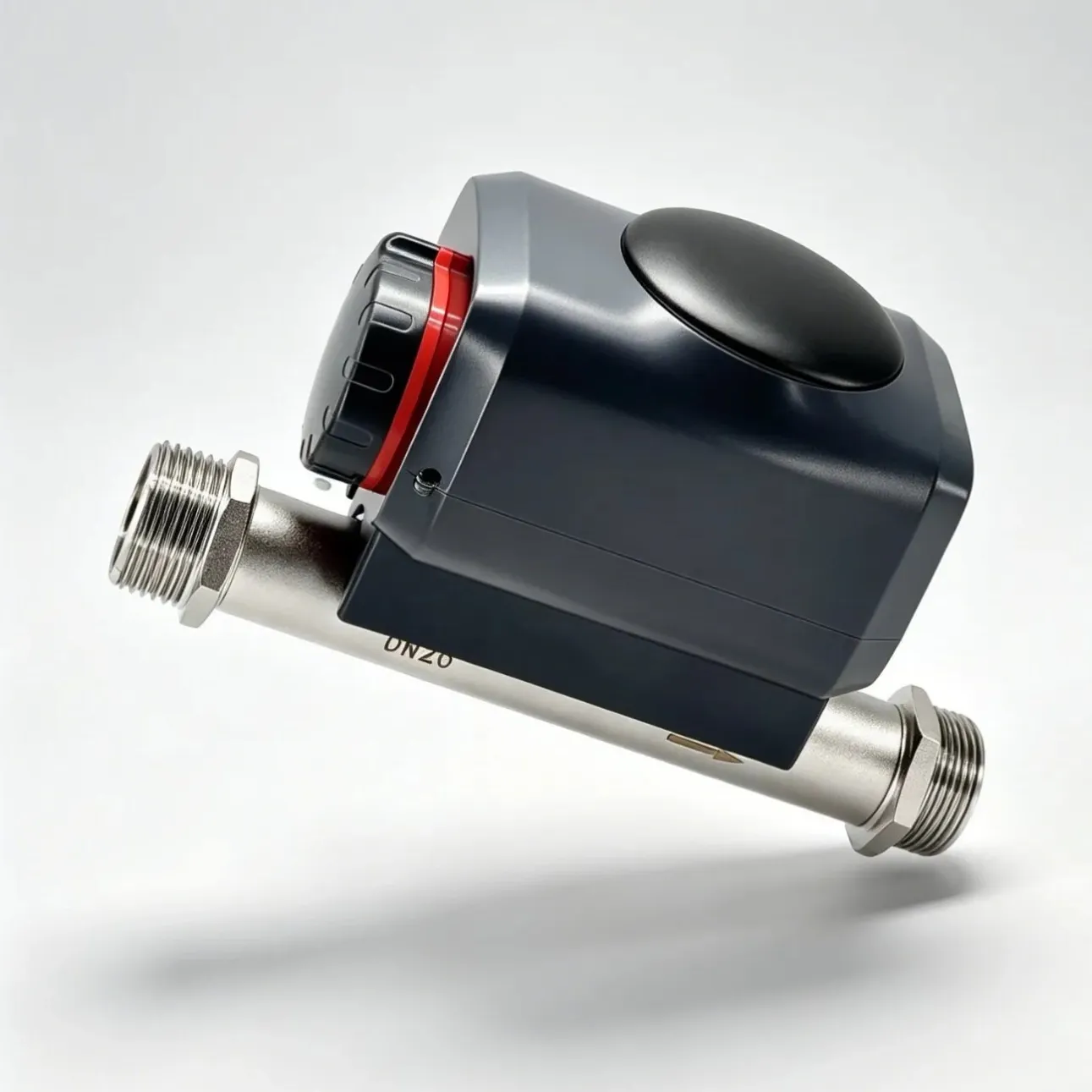
Thinking about an AMR/AMI upgrade? See the meter this calculation is based on: Ultrasonic Smart Water Meter. Then: For help choosing sizes and communication options, read — How to Choose an Ultrasonic Smart Water Meter for AMR/AMI Projects — or send us your meter count and current reading setup, and we will help you run your own numbers.